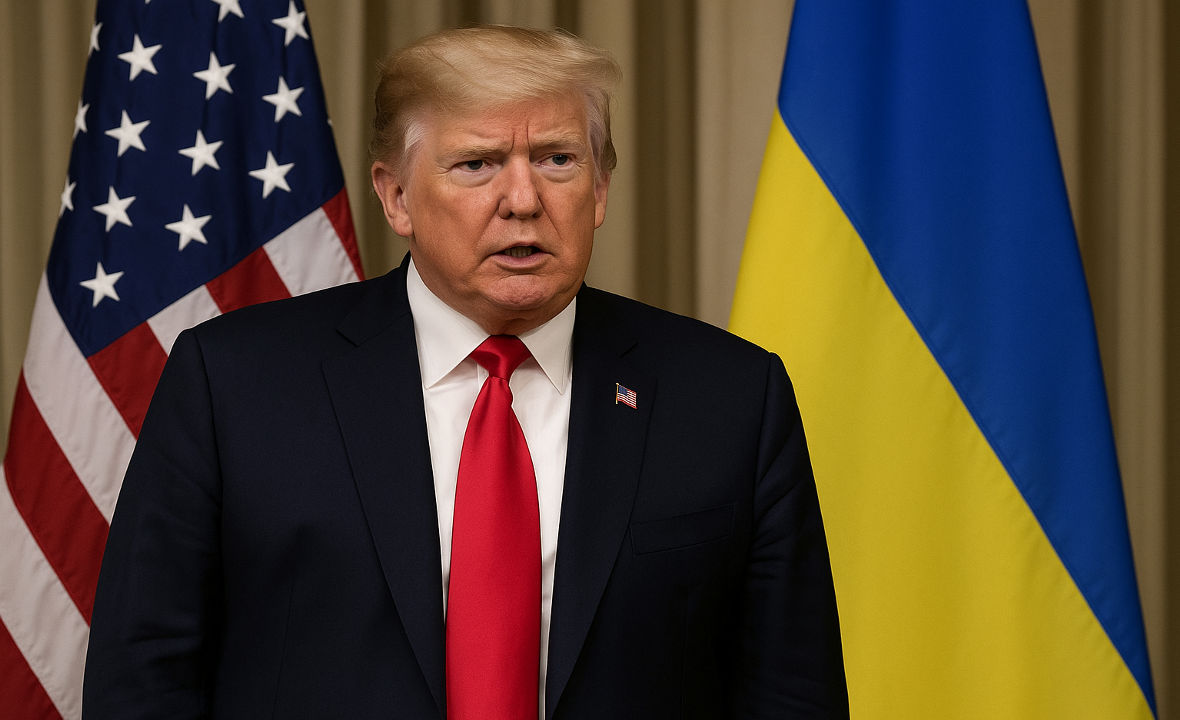
The ongoing diplomatic push to end the Russia-Ukraine war took a dramatic turn this week as U.S., Ukrainian and European officials met in Geneva to examine a draft American-led peace proposal. While these high-level discussions were meant to evaluate possible pathways to a ceasefire, President Donald Trump’s public accusation that Ukraine had shown “zero gratitude” added an unexpected layer of tension. His remarks immediately influenced how analysts, diplomats and allied governments interpreted the Geneva talks.
Background: Why Geneva matters right now
Geneva has long been a neutral ground for international negotiations, making it a strategic location for discussing the conflict. The U.S. brought forward a draft peace proposal that attempts to outline how hostilities could be reduced and eventually ended. With the war dragging on and global economic pressures rising, the urgency for a negotiated solution is higher than ever. However, the success of any agreement depends heavily on whether Ukraine and its partners perceive the proposal as fair, workable and grounded in long-term security guarantees.
Trump Ukraine relations
What the U.S. peace proposal reportedly includes
Although the full draft has not been made public, sources familiar with the document say it contains several sensitive provisions. These include the possibility of territorial compromises, restrictions on Ukraine’s future military capabilities and conditions related to NATO ambitions. Analysts note that some sections of the draft appear to align closely with Russia’s longstanding demands, raising questions about whether Kyiv would ever accept them.
Trump comments on Ukraine
Supporters of the proposal argue that compromise is often necessary to end a prolonged conflict. Critics counter that concessions involving territory and defense capability could leave Ukraine permanently vulnerable. The tension between these two perspectives shaped much of the conversation in Geneva.
Trump’s comments and their effect on the talks
As the Geneva meetings were underway, President Trump delivered public remarks accusing Ukraine of “ingratitude,” suggesting that Kyiv had not adequately recognized American financial and military support. He also criticized several European countries for continuing to trade with Russia while expecting the U.S. to take on the burden of leadership.
NATO Ukraine tensions
These comments played into an already delicate diplomatic moment. Public statements from top leaders often shape the tone and leverage of negotiations, and Trump’s remarks quickly became a central discussion point among analysts. Some diplomats saw the comments as a way to pressure Ukraine into engaging more seriously with the proposal, while others viewed them as a distraction that could erode trust between Washington and Kyiv.
How Ukraine responded
Ukrainian officials did not issue an immediate confrontational response, but sources close to the delegation made it clear that Kyiv remains firmly opposed to any proposal that requires surrendering territory or weakening its defenses. Ukraine’s leadership has consistently argued that lasting peace cannot come at the cost of sovereignty or national survival. They emphasized that any settlement must reflect the realities on the ground and the sacrifices Ukrainians have made since the war began.
European partners voice concerns
European governments also expressed mixed reactions. Several countries reportedly felt the U.S. did not consult them adequately before formulating the draft proposal. They argued that any effective agreement must incorporate European security interests, since the outcome of the war will directly affect the continent’s geopolitical stability. As a result, many EU partners proposed amendments aimed at protecting Ukrainian territorial integrity, strengthening long-term defense commitments and ensuring Russia cannot use negotiations to buy time.
Why the Geneva meeting matters globally
The Geneva talks are more than a diplomatic meeting—they are a reflection of broader geopolitical tensions. The outcome could redefine NATO’s strategic posture, reshape energy partnerships, and influence how future conflicts are mediated. A balanced agreement could serve as a model for de-escalation. A poorly designed one, however, might create new instability or embolden further aggression.
What to expect next
Officials are expected to revise portions of the draft to address concerns from Ukraine and European leaders. Analysts also say that any future direct communication between President Trump and President Zelenskyy could significantly shift momentum—either toward a more acceptable compromise or toward a stalemate.
Ultimately, the peace process remains fragile. The coming weeks will show whether the proposal can be reshaped into a framework capable of ending the war or whether diplomatic fault lines will widen further.
This article is a unique analysis compiled from public reporting, diplomatic briefings and ongoing commentary about the Geneva discussions.